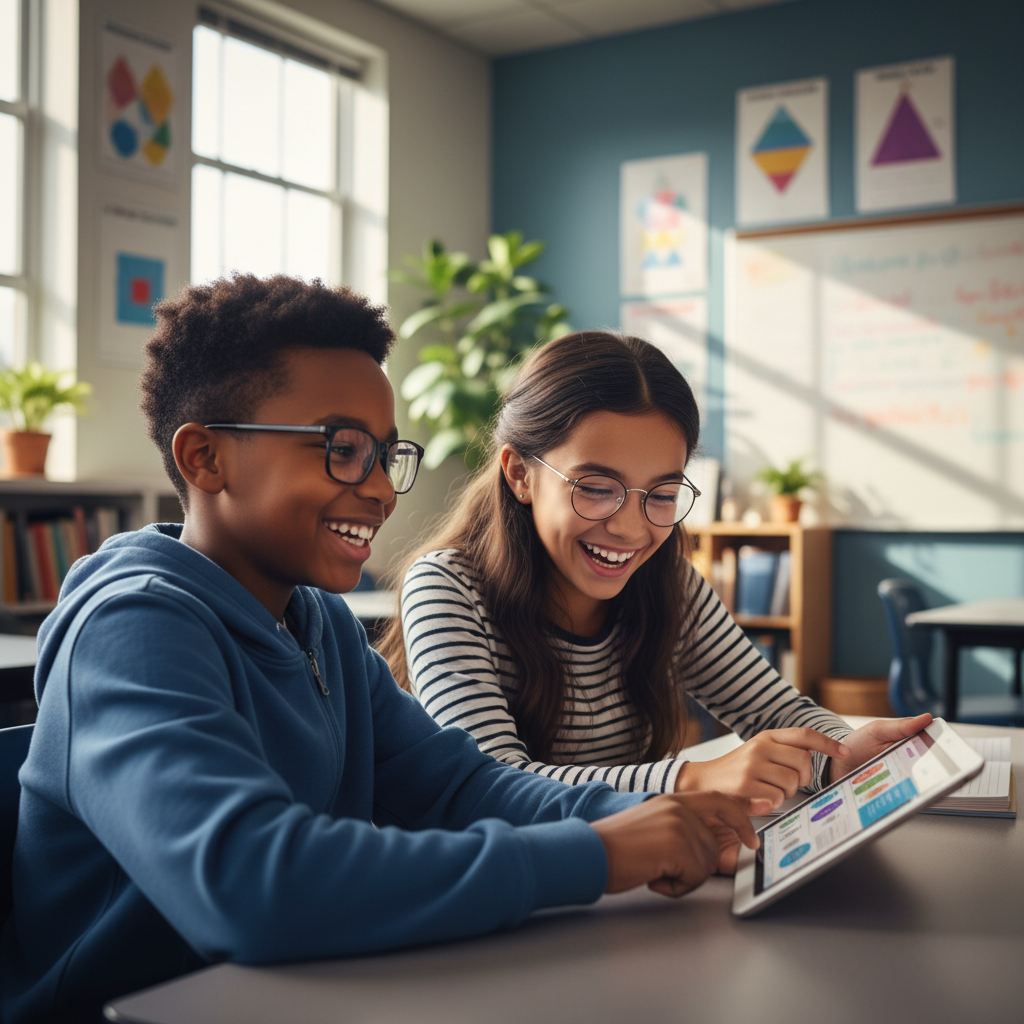
The questions a child asks about learning change as they grow. A younger child may need an adult to help name a strength or celebrate a small step. An older student may be ready to set a goal and explain what matters to them. ONWARDology is a published product site for a K–8 experience designed to respond to those changing needs, rather than presenting every child with the same view of progress.
As a K-8 student growth platform, ONWARDology is designed to bring together age-aware views of goals, strengths, and progress with family guidance and school communication. It makes room for identity, belonging, future exploration, and positive recognition. The product is in active development, so these are the aims of the experience rather than a promise that every capability is currently available. Families and schools can visit onwardology.com for the latest information.
Growth does not follow one template
K–8 covers years of enormous change. What helps a child participate in an early classroom conversation may be different from what helps a middle-school student reflect on a goal. Yet school information is often organized around adult-facing reports or a single idea of readiness. Children can miss the chance to recognize what they are learning about themselves, while caregivers may receive information without enough guidance to turn it into a supportive conversation.
ONWARDology is designed to make that space more developmentally responsive. A K-8 student growth platform should not ask a young child to navigate an older student's experience, or assume an older student has no voice. Age-aware goals and views of progress are meant to change with the child. The purpose is not to hurry children toward a fixed identity; it is to give them language for strengths, belonging, and the next step they are ready to take.
Children, caregivers, and school teams
For younger children, caregivers often help make sense of learning and growth. ONWARDology is designed to offer more guidance to those adults early on, so a family can talk about strengths and progress in everyday terms. As children grow, the experience is intended to make more room for their own reflections and choices. That shift recognizes that student ownership develops through practice, not through a sudden handoff at a particular grade.
Teachers and school teams can use a shared language for goals, positive recognition, and communication with families, while keeping their own relationships with students at the center. Caregivers should be able to ask what a goal means and how they might support it without needing to translate school jargon. Students should find opportunities to say what they are proud of, where they feel connected, and what they want to explore next. Each role contributes something different.
Making strengths and progress visible
ONWARDology is designed to show goals, strengths, and progress in ways that reflect a child's age. A goal becomes more useful when a student can understand it and an adult can discuss a manageable action around it. Family guidance is intended to help caregivers carry that conversation beyond a report or school meeting. School communication gives the people around a child a clearer starting point for discussing what support might help.
Identity, belonging, and future exploration are also part of the intended experience. A child can benefit from seeing that their interests and contributions matter before anyone asks them to choose a future occupation. Positive recognition is designed to notice constructive steps without turning growth into a contest. These elements give a K-8 student growth platform a human purpose: helping children understand themselves, feel connected, and practice moving onward at a pace that fits their development.
An illustrative journey through a week
Imagine a younger student's caregiver receiving guidance for talking about a classroom goal. They ask the child what felt easier this week and what still feels hard, then share a question with the school through its normal communication process. A teacher helps the child name a strength they used and identify one small next step. The conversation is simple enough for the child to join, rather than being only about an adult-facing measure of progress.
For an older student, the week might look different. They reflect on a goal in their own words, consider where they feel a sense of belonging, and talk with a teacher about an interest they want to explore. A caregiver receives context that helps them listen without taking over. These examples illustrate the kind of age-aware experience ONWARDology is designed to support; they are not accounts of actual users or claims about available features at a particular school.
A place in the wider learning journey
Onward Families focuses on helping caregivers of younger children find schools, programs, and local support. ONWARDology has a different role: it is designed around a child's learning and growth experience during the K–8 years. A family might be thinking about both access to opportunities and what a child is discovering about themselves, but those are distinct questions. Neither product is presented as a replacement for a school's or family's judgment.
Onward180 focuses on high school goals, graduation planning, and coordinated student support. ONWARDology's increasing space for student voice offers a natural way to think about the years before those high school decisions. That is a relationship between product purposes, not a claim that records transfer or that a school must adopt both. Across the suite, the shared idea is that young people deserve clearer next steps and adults who listen as they grow.
Careful use of information and availability
A child's goals, reflections, and family conversations deserve care. ONWARDology is designed with student privacy expectations in mind, and organizations should review data agreements before using a product in their setting. Schools and families should be able to ask what information is needed, who can see it, and how it will support a child. An age-aware experience should make room for appropriate adult guidance without assuming that every detail needs a wider audience.
The ONWARDology site is published at onwardology.com, and the product is in active development. Visit the site for current availability and details rather than assuming every described capability is ready for use. Families can begin by asking what kind of guidance would help them talk about growth today; schools can consider how student voice and family communication fit their existing practices. A thoughtful next step starts with the child, not a feature list.
ONWARDology questions, answered
What ages is ONWARDology designed for?
It is designed for K–8, with more caregiver guidance early and more opportunity for student voice and ownership as children grow.
Is ONWARDology available now?
Its product site is published, and the product is in active development. Visit onwardology.com to check current availability and capabilities.
Does it focus only on academic progress?
No. The intended experience also makes room for strengths, identity, belonging, future exploration, family guidance, and positive recognition.
How is this K-8 student growth platform different from Onward180?
ONWARDology is designed for developmentally responsive K–8 growth. Onward180 focuses on high school goals, graduation planning, and support coordination.
What should schools review before using it?
Schools should confirm current availability, review data agreements, and decide how information and family communication fit their own practices.