A Practical Workflow for Tracking School–Community Partnerships from First Contact to Outcome
school community partnership trackingonward-nexusonwardsync
Use a simple partner-to-event-to-outcome workflow to keep school–community relationships organized, clarify responsibilities, and learn what to improve without turning collaboration into paperwork.
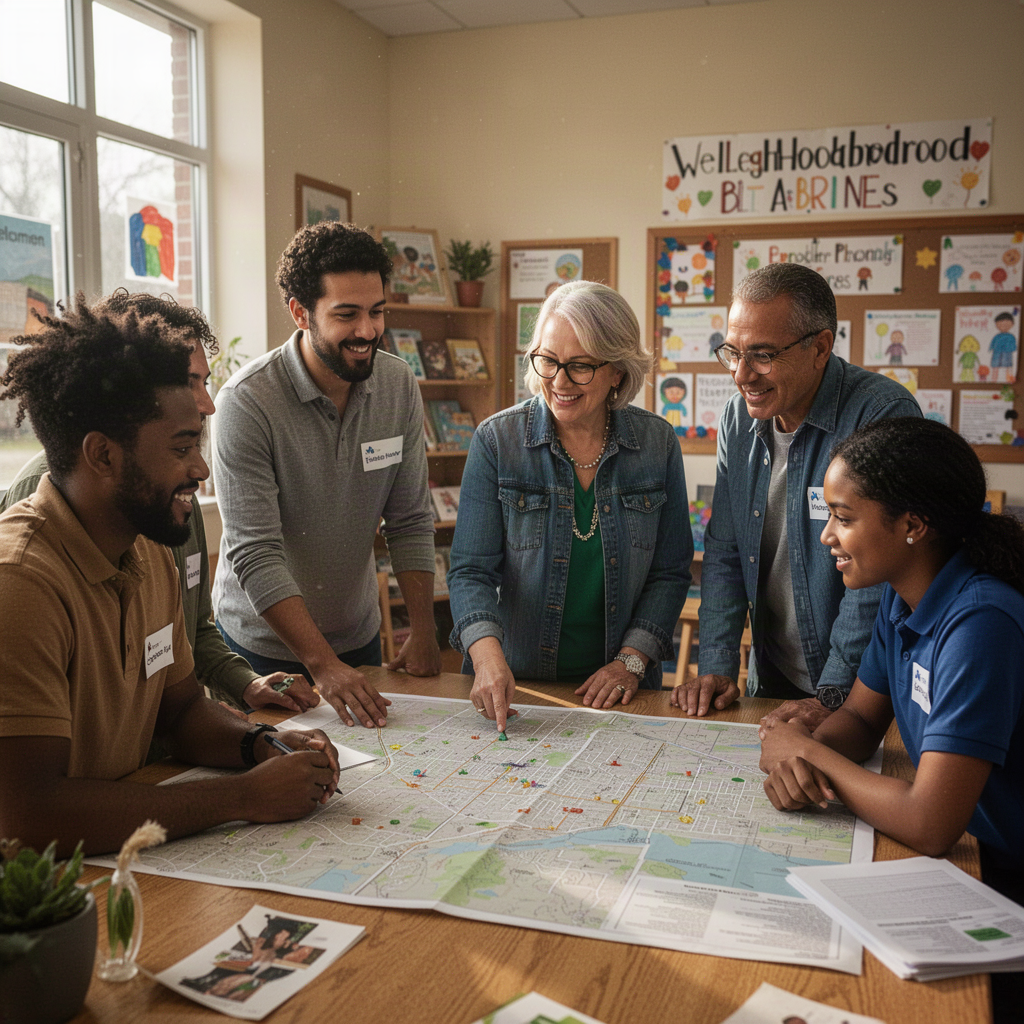
A community partnership can begin with one conversation and grow into mentoring, family events, career exploration, enrichment, or coordinated student support. The challenge is keeping the work clear as people, activities, and priorities change. A useful tracking system connects three things: the partner, the activity, and the intended outcome.
This is not about measuring every interaction or reducing relationships to a spreadsheet. It is about helping school and community teams remember what they agreed to do, follow through, and decide together what should happen next.
Start with a shared purpose
Before choosing a tool or building a tracker, define why the partnership exists. Write a short purpose statement that names the community need or opportunity, the people the work is intended to serve, and the contribution each partner hopes to make.
For example: “The school and neighborhood arts organization will offer students a regular opportunity to explore creative projects, meet local artists, and share work with families.” This is more useful than a purpose such as “support student success,” because it helps partners decide which activities belong in the plan and what they may want to learn from them.
Ask together:
- Who should benefit from this partnership?
- What will the school contribute, and what will the community partner contribute?
- What is in scope—and what is not?
- How will participants and families learn about the opportunity?
- How will partners raise concerns or suggest changes?
Record the answers in plain language. Revisit them if the partnership’s activities or participants change.
Track the partnership, not just the contact list
A directory can tell staff whom to call, but it does not show whether a relationship has a current purpose, active commitments, or a clear next step. For each partner, track a small set of useful details:
- Organization and primary contact, including a backup contact if appropriate
- Partnership purpose and intended participants
- Current status, such as exploring, planning, active, paused, or concluded
- Named school and community leads
- Agreed commitments and due dates
- Next check-in date
- Relevant notes on access, communication, or coordination
Keep records factual and limited to what the team needs to coordinate the partnership. Avoid storing sensitive student or family information in a general partnership tracker. If an activity requires individual-level information, follow the school or organization’s established processes for handling it rather than adding it to shared relationship notes.
A named owner is especially important. “The school will send the invitation” is easy to forget; “Jordan will send the invitation by October 10” makes responsibility and timing visible. Confirm that the named person agrees to the task and knows how to complete it.
Connect each event to a purpose
Events often create momentum, but an event count alone does not explain whether the partnership is useful. Track each activity as a practical unit of work, linked to the partnership purpose.
For every event or recurring activity, record:
- Activity name, date, location, and intended audience
- The partner and school leads
- What each lead agreed to handle
- Communication and access considerations
- What participants were invited to do or experience
- A brief follow-up plan
For a career exploration visit, for example, the plan might include the partner preparing a hands-on demonstration, the school arranging student preparation and transportation, and both teams agreeing on a short reflection afterward. Those details make the activity easier to coordinate and help the team understand what participants were meant to take away.
Use a consistent planning rhythm: confirm the purpose, assign tasks, check readiness, deliver the activity, and follow up. A short check-in before an event can catch practical issues—such as unclear arrival instructions or a missing school contact—before they affect participants.
Choose outcomes you can discuss and act on
Outcomes should match the purpose and be understandable to the people doing the work. They do not have to be complicated. For an arts partnership, a team might want to learn whether students had a chance to create something, whether the activity felt welcoming, and whether students want another opportunity. For a mentoring program, partners might discuss whether participants and mentors could meet as planned and what support would make future sessions more workable.
Separate three kinds of information:
- Delivery: Did the planned activity take place? Were the agreed roles covered?
- Experience: What did participants, families, staff, or partners say about access and usefulness?
- Progress: What signs suggest the activity is contributing to its intended purpose?
A practical review does not claim more than the available information supports. If the team has feedback from one event, describe that feedback as a snapshot—not proof of long-term impact. Pair simple counts or completion notes with questions that invite context: What worked? Who may not have been reached? What should change next time?
Agree in advance how feedback will be gathered, who will review it, and how it will be shared. Keep questions brief and appropriate to the activity. Make it clear how participants can offer feedback, and avoid collecting personal details that are not needed for the review.
Use a repeatable review cycle
A monthly or term-based partnership review can help teams keep commitments visible without creating a meeting for every small task. For each active partnership, review:
- What has happened since the last check-in?
- Which commitments are complete, delayed, or no longer relevant?
- What did participants and partners say?
- What is the next activity or decision?
- Does the partnership purpose still fit the work?
Close the loop with a short written update: decisions, task owners, due dates, and the next check-in. If a partnership is paused or concluded, record that clearly and thank contributors. A closed status is more useful than leaving an old relationship marked active indefinitely.
Keep the system usable and respectful
Choose a tracking approach the people involved can maintain. A shared document or existing school system may be sufficient for a small number of partnerships. A more structured platform may help when several teams need consistent records or when it is difficult to see who owns the next step. In either case, decide who can view and update information, how records will be reviewed, and when outdated details should be removed.
If you are evaluating Onward Nexus or OnwardSync, start with the workflow rather than the product name: Can the proposed approach help the team connect partnership records to activities, keep responsibilities clear, and coordinate information without duplicating work? Confirm the capabilities and fit with the relevant team before adopting a process. See /products/onward-nexus and /products/onwardsync for product context.
The human test is straightforward: Can a school lead, community partner, or new team member quickly understand the purpose, the next commitment, and whom to contact? If yes, the tracking system is helping relationships move forward. If maintaining it takes more effort than coordinating the work, simplify the fields and review rhythm. The best partnership tracker is not the most elaborate one; it is the one that helps people follow through and learn together.
Explore how the Onward family connects this topic to practical tools.
Find your Onward path