A Practical Workflow for Tracking School Community Partnerships
school community partnership trackingonward-nexusonwardsync
A repeatable partner-to-event-to-outcome workflow helps schools keep relationships active, coordinate activities, and learn what opportunities students actually receive—without turning partnership tracking into paperwork for its own sake.
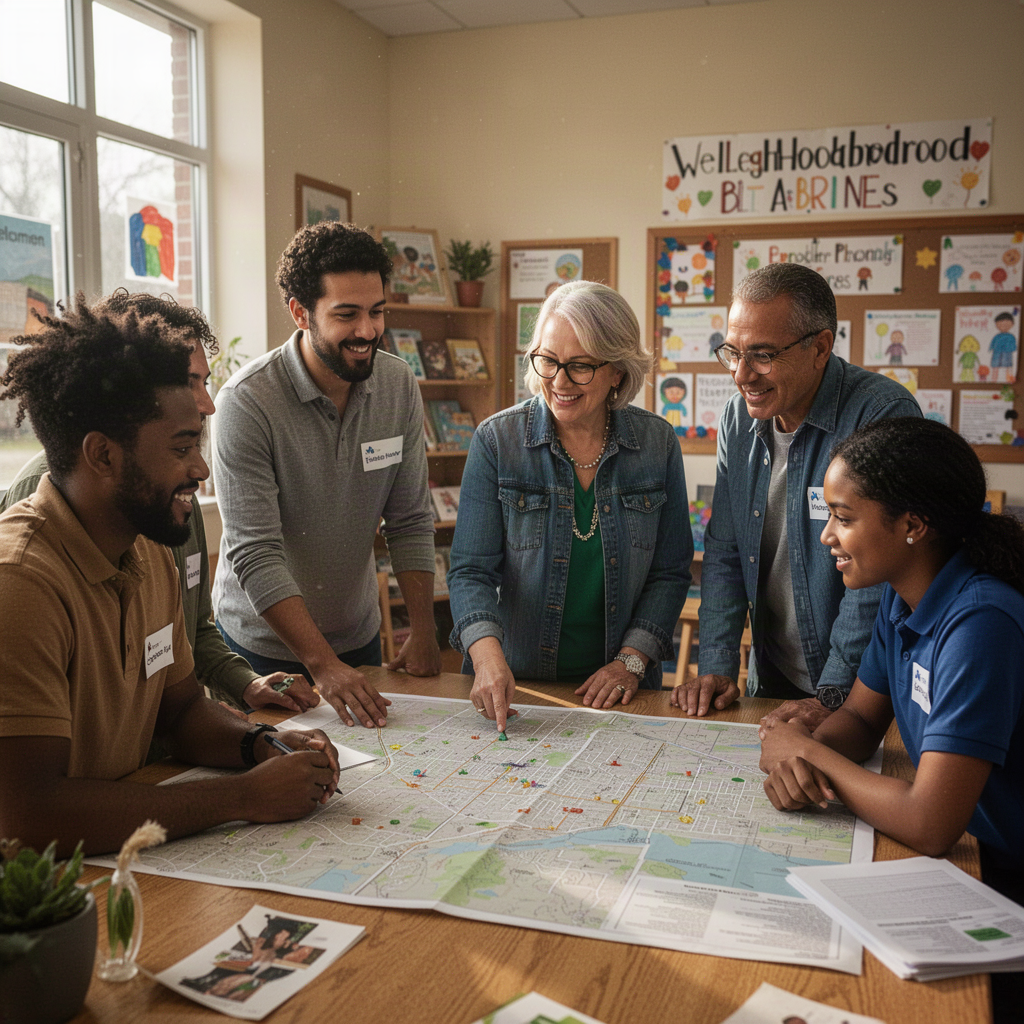
School-community partnerships often begin with a promising conversation: a local employer offers a career visit, a library proposes a reading program, or a community organization wants to support families. The challenge comes later. Who owns the next step? Did the activity happen? Which students had access? What should the school and partner do differently next time?
A useful tracking system connects three things: the partner, the activity, and the intended outcome. It does not need to start with a new platform. A shared spreadsheet or existing school system can work if people agree on a small set of fields, responsibilities, and review habits.
Start with a simple partnership record
Create one record for each organization, not a separate record every time someone emails or attends an event. That gives the school a dependable place to find the relationship’s purpose, contacts, commitments, and history.
Capture only information that helps staff coordinate the partnership:
- Organization name and type, such as library, employer, college, cultural group, or youth program.
- Primary school contact and primary partner contact, including the best way to reach each person.
- Shared purpose: what need, opportunity, or community priority is the partnership meant to address?
- Intended audience: which grades, groups, families, or staff members may take part?
- Current status, such as exploring, active, paused, or closed.
- Next action, named owner, and due date.
- Any agreed review date or renewal decision.
Write the purpose in plain language. “Support career exploration for ninth graders” is more actionable than “community engagement.” If the partnership has several purposes, record them separately rather than using a broad label that no one can evaluate.
Connect each activity to the partnership
A partner may work with a school in several ways over the year. Track each workshop, visit, mentoring cycle, referral pathway, or family event as an activity connected to the partner record. This creates a relationship history while preserving the details of each event.
For every activity, agree on a short planning brief:
- Purpose: What should participants learn, access, practice, or be able to do afterward?
- Audience: Who is it for, and how will students or families be invited?
- Access: Are there barriers involving timing, transport, language, cost, disability access, or eligibility?
- Roles: Who handles planning, communication, supervision, and follow-up?
- Logistics: What date, location, materials, and approvals need confirmation?
- Evidence: What is the simplest reasonable way to tell whether the activity happened and served its purpose?
For example, a community college visit might have a purpose of helping students understand education pathways. The activity record could name the grade group, the staff coordinator, the college contact, transportation arrangements, and the planned follow-up: a classroom reflection or question session. That is more informative than a calendar entry that says only “college tour.”
Make ownership visible
Partnership tracking tends to break down when a record shows a task but not who is responsible for it. Every open next step should have one named owner and a date. Others may contribute, but one person should be accountable for checking that the step is completed or renegotiated.
Use a brief status convention that everyone understands. For example:
- Planned: The activity is agreed in principle but key details are still open.
- Confirmed: People, timing, roles, and arrangements are settled.
- Completed: The activity took place; follow-up remains possible.
- Needs follow-up: A decision, response, or learning review is still due.
- Paused or closed: The work is intentionally on hold or has ended, with a reason noted.
Avoid treating “no response” as a status. Record the attempted contact and set a reasonable follow-up date. If a staff member changes roles, the named school owner should hand over the next action and relevant context rather than forwarding an entire email history.
Track outcomes proportionately
The word “outcome” can suggest a complex evaluation, but partnership tracking can begin with a modest question: what changed or became possible because this activity took place?
Separate three levels of evidence:
- Delivery: Did the planned activity happen? Record completion and any meaningful change to the plan.
- Reach and access: Who had the opportunity to take part? Use counts or categories only when they are appropriate and available; note who may have been missed.
- Learning or next step: What did participants gain, request, or do next? This could be a short reflection, a follow-up sign-up, a referral completed, or a partner and educator review.
Do not claim that a single event caused a long-term result unless the school has suitable evidence. A student attending a career session is a participation measure, not proof of a career outcome. Clear, limited claims build more trust than ambitious conclusions unsupported by the record.
Agree with the partner in advance on what information can be collected and shared. Keep identifiable student or family information out of general partnership logs unless there is a clear, authorized reason and an appropriate process for handling it. For routine review, aggregated participation notes and practical observations may be enough.
Run a short review cycle
Set a recurring review—monthly, quarterly, or at another interval that fits the school calendar. A useful meeting can take 20 minutes if the records are current. Review four questions:
- Which activities are coming up, and what could prevent them from happening?
- Which completed activities need a thank-you, participant follow-up, or partner debrief?
- Who had access, and who may have been left out?
- Should the partnership continue, change, pause, or conclude?
End with named actions and dates. Also close out completed activities: capture what happened, record a practical lesson, and decide whether there is a next step. Without closeout, the same planning questions get asked again, and staff may not know which commitments remain active.
Choose tools around the workflow
Start with the process, then decide whether your current tools support it. Ask whether staff can find partner contacts, link activities to relationships, assign owners, review open actions, and produce a useful summary without duplicating data entry. Consider who needs access, how records will be maintained when staff change, and what information should not be stored there.
A shared document may be enough for a small number of partnerships. If coordination spans teams, schools, or many recurring activities, a dedicated system may help make relationships and next steps easier to review. Schools exploring the Onward suite can review /products/onward-nexus as a possible partnership-focused starting point and /products/onwardsync when considering how systems and information might connect. Confirm current capabilities, permissions, and fit with your own workflow before making a decision; a tool should support an agreed process, not replace it.
A practical first month
In week one, choose a coordinator and agree on the fields your team truly needs. In week two, create records for active partners and confirm contact details and purpose. In week three, link upcoming activities and add an owner and due date to every open action. In week four, hold the first review: identify missing details, surface access barriers, and decide which follow-ups matter most.
The goal is not to count partnerships for their own sake. It is to help people keep commitments, make opportunities reachable, and learn whether shared effort is useful to students and families. When partner, activity, and outcome are connected, a school can move from remembering who it knows to making community relationships more intentional.
Explore how the Onward family connects this topic to practical tools.
Find your Onward path